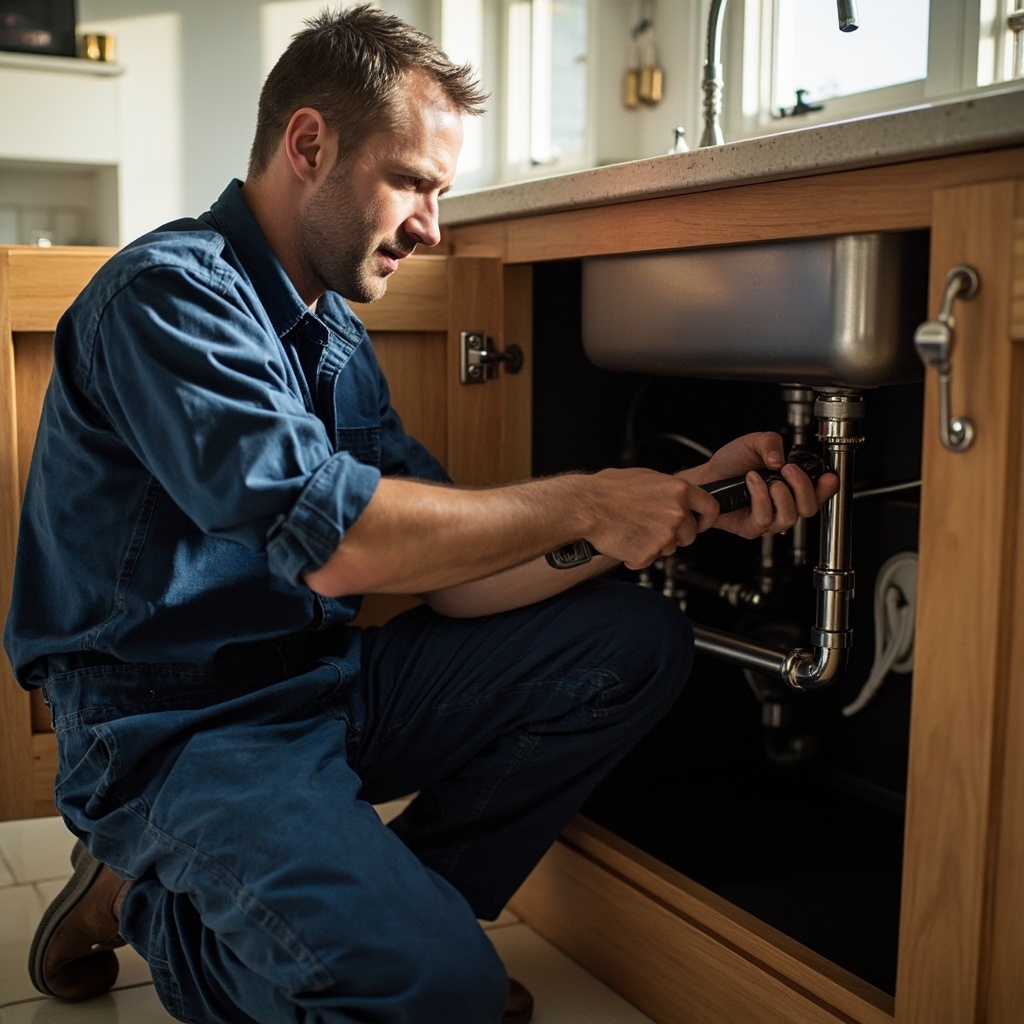
Know Your Emergency Water Shutoff: Essential Guide for Lewisville Homeowners
When a pipe bursts at 2 AM during one of Lewisville’s infamous ice storms, every second counts. The difference between minor water damage and a flooded home often comes down to one crucial skill: knowing exactly where and how to shut off your water supply. For Lewisville homeowners living in our area’s predominantly slab-built homes from the 1980s-2000s, this knowledge isn’t just helpful—it’s essential.
Living in North Texas means dealing with clay soil that shifts with our extreme weather patterns, hard water that taxes our plumbing systems, and temperature swings that can stress pipes beyond their limits. These local conditions make water emergencies more likely, which is why every member of your household should know the location of your emergency water shutoff valves.
Locating Your Main Water Shutoff Valve
The main water shutoff valve controls all water flow into your home, making it your first line of defense during a plumbing emergency. In Lewisville’s typical ranch-style and two-story homes, this valve is usually located near where the main water line enters your property.
Common locations for main shutoff valves include:
- Near the street at your water meter, typically in a covered box or pit
- Along the front foundation of your home, usually within 3-5 feet of where the main line enters
- In utility rooms or garages where the main line is accessible
- Next to your water heater in homes where utilities are centrally located
The valve itself typically looks like a wheel (gate valve) or a lever (ball valve). Gate valves require multiple turns clockwise to close completely, while ball valves need just a quarter-turn. Most newer Lewisville subdivisions feature ball valves due to their reliability and ease of use.
To test your main shutoff, turn it clockwise slowly while someone checks a faucet inside. When water flow stops, you’ve successfully located and tested your main valve. Remember to turn it back on counterclockwise afterward.
Understanding Individual Fixture Shutoffs
While the main valve stops all water flow, individual fixture shutoffs allow you to isolate specific problems without affecting your entire home’s water supply. This selective approach is particularly valuable when dealing with Lewisville’s hard water issues, which frequently cause fixture-specific problems like mineral buildup in toilets and faucets.
Essential fixture shutoff locations:
- Under bathroom and kitchen sinks you’ll find small valves for both hot and cold water lines
- Behind toilets near the floor look for a single valve controlling the water supply line
- Near your water heater both gas and electric units have dedicated shutoff valves
- At washing machine connections in utility rooms or closets, typically with red and blue handles
These individual valves follow the same clockwise-to-close rule as your main shutoff. However, they can be more delicate and prone to breaking if forced, especially in older Lewisville homes where mineral deposits may have accumulated over decades.
When dealing with individual fixtures, turn valves slowly and stop if you encounter significant resistance. Forcing a corroded valve can break the stem, creating a bigger problem than the original leak.
Creating an Emergency Action Plan
Having a clear emergency plan helps everyone in your household respond quickly when water disasters strike. This preparation is especially crucial during Lewisville’s severe weather season, when storms can cause multiple plumbing issues simultaneously.
Your emergency water shutoff plan should include:
- Label all shutoff valves clearly using waterproof tags or permanent markers
- Create a simple diagram showing valve locations and post it in a central location like your kitchen
- Teach all household members the “righty-tighty” rule and practice with them annually
- Keep necessary tools accessible including a water meter key and adjustable wrench
- Post emergency contact numbers including your trusted plumber in Lewisville for after-hours calls
Consider seasonal preparation as well. Before Lewisville’s occasional winter freezes, ensure everyone knows shutoff locations in case pipes freeze and burst. During our severe thunderstorm season, review your plan so family members can act quickly if storm damage affects your plumbing.
Document your shutoff valve locations with photos and store them in your phone for easy reference. This visual record proves invaluable during stressful emergency situations when memory might fail.
Special Considerations for North Texas Homes
Lewisville’s unique climate and construction styles create specific challenges that affect how you approach water shutoffs. Our expansive clay soil moves with moisture changes, potentially shifting underground pipes and affecting valve accessibility over time.
Local factors to consider:
- Clay soil movement can shift valve boxes and covers, making them harder to locate after ground changes
- Extreme temperature fluctuations may cause metal valves to contract or expand, affecting their operation
- Hard water mineral deposits can make valves difficult to turn, especially in older homes
- Slab construction means fewer accessible shutoff points compared to homes with full basements
If your main shutoff valve is located near the street, check it periodically to ensure the cover box isn’t buried by soil shifting or landscaping changes. Many Lewisville homeowners discover their street-side shutoff is inaccessible only during an actual emergency.
For homes with particularly hard water, consider having a professional plumber in Lewisville inspect your shutoff valves annually. Mineral buildup can seize valves over time, rendering them useless when you need them most.
When to Call a Professional
While knowing your shutoff valve locations is essential DIY knowledge, some situations require professional intervention. Attempting complex repairs without proper experience can turn minor issues into major disasters, especially in Lewisville’s challenging soil and water conditions.
Call a plumbing professional when:
- Shutoff valves won’t turn or appear corroded and damaged
- Water continues flowing even after closing the main valve completely
- You discover multiple leaks or signs of slab foundation issues
- Valve stems break or leak when attempting to operate them
- You smell gas near water heater shutoff valves in homes with gas appliances
Remember that Lewisville’s clay soil conditions can cause underground pipe shifts that affect multiple systems simultaneously. What appears to be a simple shutoff valve problem might indicate larger foundation or slab leak issues that require professional diagnosis and repair.
Professional plumbers have specialized tools for dealing with seized valves, underground line location, and the complex interactions between our local soil conditions and plumbing systems.
Knowing your emergency water shutoff locations provides invaluable peace of mind for any Lewisville homeowner. Regular maintenance, clear labeling, and household education can prevent minor plumbing issues from becoming major disasters. While these DIY skills are essential, don’t hesitate to seek professional help when situations exceed your comfort level or expertise.
Need professional help? Call The Lewisville Plumber at (972) 694-6090.
Need Professional Help?
If you're experiencing plumbing issues in Lewisville, our licensed plumbers are ready to help.
Call Now: (972) 694-609024/7 Emergency Service Available